The Impostor in the App Store: A Verification Checklist for Crypto Wallet Downloads
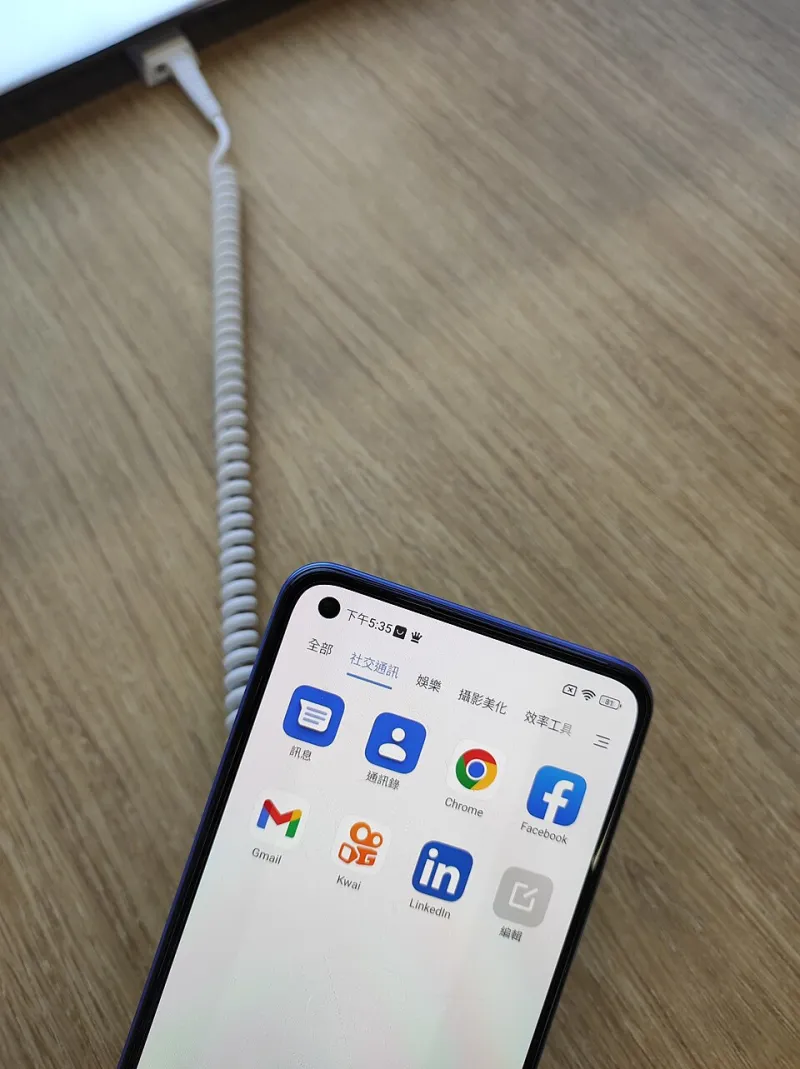
Photo: Mx12 MK M616, CC BY-SA 4.0, via Wikimedia Commons
A counterfeit crypto wallet rarely announces itself. It usually looks like a legitimate download: a familiar logo, a clean interface, a handful of five-star reviews, and a developer name that sounds plausible. The danger begins when a user imports a seed phrase into an app that was never built by the wallet's actual team.
App-store review systems are useful but imperfect. They can be gamed with purchased reviews, cloned listings, and developer accounts that are created and abandoned quickly. For crypto holders, the practical question is not whether an app looks trustworthy, but whether its identity can be verified through independent channels before any sensitive material is entered.
Why counterfeit wallets keep working
Fake wallet apps exploit the same search behavior that works for ordinary software. Users search for a brand name, tap the first result, and judge by the listing. Attackers can mimic icons, screenshots, and feature descriptions closely enough to pass a quick inspection. In some cases, they clone an open-source wallet and add a seed-phrase exfiltration step that sends credentials to a remote server.
Browser extensions present a similar risk with a different delivery method. A malicious extension can request broad access to web pages, read clipboard contents, or inject scripts into crypto sites. Because extensions update silently, a legitimate-looking add-on can become hostile after installation.
Red flags in the developer profile
Start with the developer, not the logo. A legitimate wallet usually has a consistent developer identity across its website, app stores, and code repositories. Warning signs include a developer name that does not match the official company, a portfolio of unrelated apps, a newly created account with no history, or a support link that leads to a generic form rather than the wallet's official domain.
Check the app's website link in the listing. If it points to a domain that is not the wallet's official domain, treat the listing as suspect. Also compare the app's privacy policy and terms of service with the official versions. Copies can be convincing, but inconsistencies in company names, addresses, or contact details are common.
Review patterns that should raise suspicion
Reviews are easy to manipulate, so read them for patterns rather than averages. A burst of five-star reviews posted within a short window, generic praise that could apply to any app, or reviews that mention recovery services and support phone numbers are warning signs. Sort by most recent and by lowest rating; counterfeit listings often show a sharp divide between polished promotional reviews and complaints from users who discovered the problem too late.
Be wary of developer responses that direct users to WhatsApp, Telegram, or direct messages for support. Legitimate wallet teams may use social channels, but they do not ask users to share seed phrases or private keys in a support conversation.
Permissions and update behavior
On mobile, a wallet app should not need access to contacts, SMS, accessibility services, device administration, or overlay permissions to function. Those permissions can enable interception, screen reading, or credential theft. If a wallet asks for them, verify the request against the official documentation before granting access.
Browser extensions deserve particular scrutiny. Many wallet extensions need to interact with web pages, but the permission scope should match the official wallet's documentation. A sudden expansion of permissions after an update, a new developer name, or a version history that does not align with the official release notes are reasons to remove the extension.
A verification checklist before importing a seed phrase
-
Navigate to the wallet's official website directly, not through a search ad or social-media link. Follow the download link from that site.
-
Confirm the developer name, app ID, and listing details against at least two official sources, such as the wallet's website and its verified social account.
-
For browser extensions, compare the extension ID with the one published in the wallet's official documentation. Check the permissions and the update history.
-
Read recent critical reviews and search for reports of seed-phrase theft, unauthorized transfers, or fake support channels.
-
If the wallet is open source, check whether the app store listing corresponds to an official release and whether release signatures or checksums are published.
-
Test with a new, empty wallet first. Do not import a seed phrase that protects meaningful assets until the app's identity and behavior have been verified.
-
Prefer hardware-wallet integration for significant balances. A hardware wallet keeps keys off the phone or computer, reducing the damage a counterfeit app can do even if it is installed.
If a fake app has already been installed
If you installed a suspicious app but did not enter a seed phrase or private key, remove it, revoke any permissions it requested, and run a malware scan on the device. Change passwords for any accounts that were accessed while the app was present.
If you did enter a seed phrase, assume the wallet is compromised. Generate a new wallet on a verified device, move remaining assets to new addresses, and revoke token approvals from the old wallet. Contact your exchange if withdrawals or deposits were affected, and monitor the old addresses for unauthorized activity.
How to report a counterfeit wallet
Report the listing to the app store or extension marketplace using its official complaint process. Notify the legitimate wallet provider through its published security contact. In the US, file a complaint with the FTC and the FBI's Internet Crime Complaint Center. Include the listing URL, developer name, app ID, screenshots, and any transaction hashes associated with the fake app.
Counterfeit wallets succeed when users treat app-store presence as a security guarantee. It is not. Verification is a short, deliberate process, and it is far cheaper than recovering from a seed phrase that has already left your control.