Your Phone Number Is Not a Vault: Rebuilding Two-Factor Security for Crypto Accounts
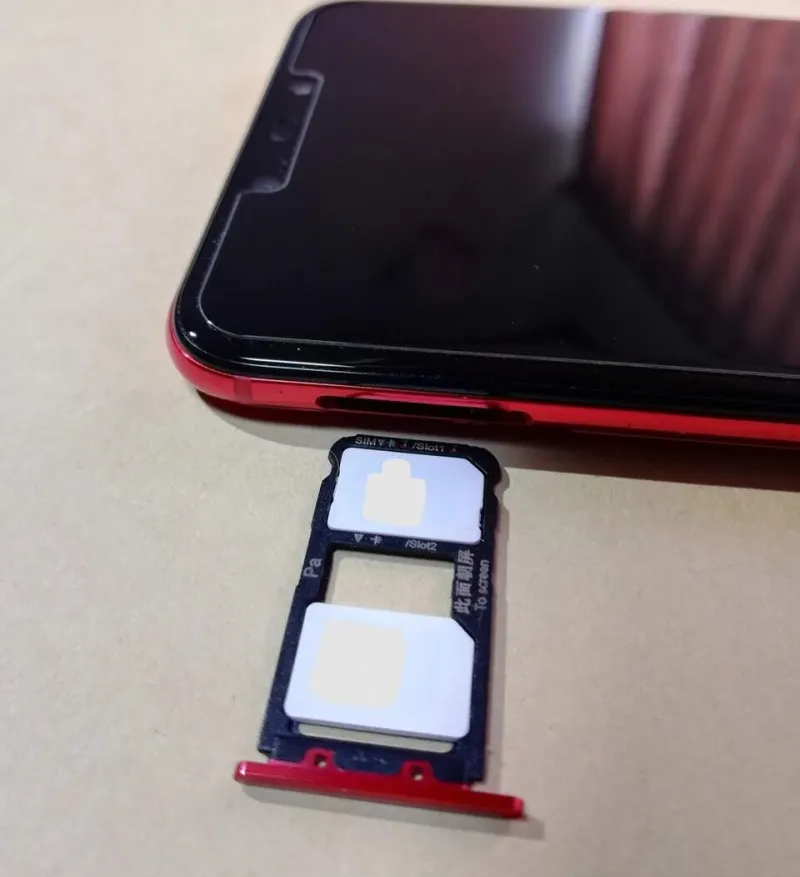
Photo: Inglid, CC BY-SA 4.0, via Wikimedia Commons
The Comfortable Default
Two-factor authentication is often treated as a final lock on an account. For crypto holders, it is better understood as part of the custody perimeter. A password can be reset, a session can be revoked, and a support ticket can be reopened. A second factor is supposed to break that chain. When the second factor is an SMS code, the chain often remains intact.
SMS authentication is popular because it is familiar. Banks, email providers, exchanges, and wallet-linked services have used it for years. For a US crypto holder, the practical question is not whether SMS is convenient. It is whether the phone number is a sufficiently independent security boundary. In many cases, it is not.
How a SIM Swap Becomes a Wallet Problem
A SIM swap does not require a technical exploit against the blockchain. It targets the mobile account that receives the code. An attacker who convinces a carrier to move a victim's number to a new SIM can receive calls and messages intended for the victim. From there, password resets and login approvals can follow in sequence.
The attack is effective because it exploits recovery, not cryptography. Carrier account PINs, port-out locks, and number-lock features can raise the difficulty, and the FCC has encouraged stronger carrier authentication. None of those measures turns a phone number into a hardware security key. They simply add friction to a process that remains human and support-driven.
For crypto holders, the exposure is broader than an exchange login. Email accounts used for wallet recovery, cloud storage holding backup codes, and account profiles that reveal holdings can all become part of the same takeover path. A phone number is not a vault. It is a routing label.
Recovery Is the Hidden Door
Most discussions of two-factor authentication focus on the login prompt. The more important question is what happens after a factor is lost. Recovery workflows determine whether a stolen phone becomes a temporary inconvenience or a permanent loss of access.
A strong second factor with a weak recovery process is only partly strong. If an attacker can reset the factor through email, a support chat, or a carrier request, the added security may be illusory. Conversely, a rigid recovery process can protect against attackers while locking out the legitimate owner. The goal is not maximum friction. It is controlled, documented recovery.
Comparing the Stronger Factors
Authenticator apps generate time-based codes on a device that is not tied to the phone number. They remove the SIM-swap path, but they introduce a new dependency: the device and its backup. Many apps offer cloud synchronization, which improves recovery but moves the risk to the cloud account protecting that backup. Others allow manual export, which requires disciplined offline storage.
Hardware security keys are phishing-resistant when used with supported services. They require a physical key and, ideally, a backup key stored separately. They are not immune to account recovery weaknesses, and they can be lost. For high-value accounts, a pair of keys with a written recovery plan is a reasonable standard.
Passkeys are increasingly offered by major platforms and represent a meaningful improvement over codes. They bind authentication to a device or platform account and resist many phishing attempts. The practical caveat is ecosystem recovery. A passkey synced to a consumer cloud account is only as recoverable as that account. Users should understand where the passkey lives and how a lost device would be replaced.
A Migration Framework That Avoids Lockouts
Start with an inventory. List the accounts that can move crypto, change withdrawal addresses, or reset access to email and cloud storage. Rank them by value and recovery difficulty. Do not begin with the most critical account.
Enroll the new factor before removing the old one. Keep SMS active until the authenticator app or hardware key has been tested. Store recovery codes offline, in a location separate from the device and separate from the seed phrase. Then remove SMS only after a successful login and a successful recovery-code test.
Add carrier protections as a secondary measure, not a primary one. Set an account PIN, enable a port-out lock if available, and ask the carrier what identity verification it requires for a SIM change. These steps reduce exposure but should not be treated as a substitute for a stronger factor.
Finally, schedule a review. A second factor that was appropriate for a small account may be inadequate after a portfolio grows. A hardware key that was stored in a desk drawer may need a second location. Security improves when it is maintained, not when it is merely installed.
What to Do First
The first step is not to buy a device. It is to identify which account would cause the most damage if its second factor failed. From there, choose a stronger factor that has a recovery path you can actually execute. The best second factor is not the most elaborate one. It is the one that survives a lost phone, a determined attacker, and a stressed owner on a bad day.