Beyond the Screen: Physical Security Habits for Crypto Holders in a Suburban Threat Landscape
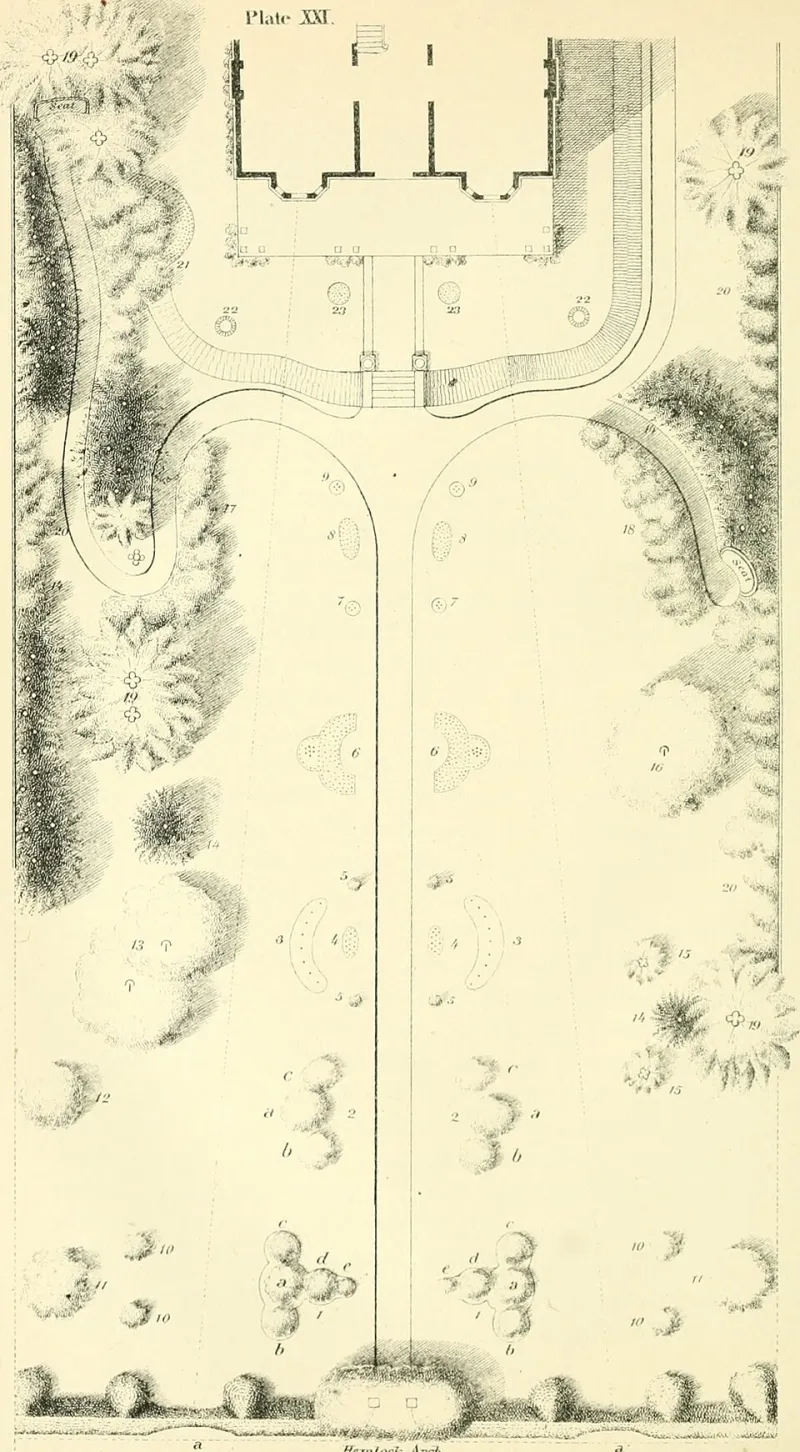
Photo: Scott, Frank J. (Frank Jesup), 1828-1919, No restrictions, via Wikimedia Commons
The phrase 'wrench attack' entered crypto vocabulary as shorthand for a simple idea: an attacker does not need to break encryption if they can pressure a person. The image is dramatic, but the reality is usually quieter. A holder is identified through social media, a public blockchain payment, a business filing, or a conversation at a meetup. Then comes a knock at the door, a follow-home after a conference, or a phone call from someone posing as an investor.
For US holders, physical security is not a reason to live in fear. It is a reason to think proportionately about what information is public, who knows what, and how a household would respond if a stranger arrived with the wrong assumptions about a crypto balance.
The threat is rare, but the preparation is not
Most crypto holders will never face a physical confrontation. The cases that do occur tend to involve visible signals: public claims of large holdings, conspicuous spending, unsecured social-media accounts, or a pattern of travel and meetups that makes a person easy to locate. Attackers also exploit family relationships. A spouse, roommate, or adult child may know more than the holder realizes, and may be less prepared to resist pressure.
The goal of physical opsec is not to disappear. It is to reduce the gap between what an attacker can learn and what they can act on.
Separate your identity from your holdings
Start with the public layer. Avoid posting portfolio values, screenshots of wallet balances, or specific purchase prices on social media. A photo of a hardware wallet on a desk can reveal a location; a check-in at a crypto event can reveal a schedule; a public post about a large trade can create a reputation that follows you offline.
Use a separate email address and phone number for crypto-related accounts where practical. Review privacy settings on social platforms and remove personal details from data-broker sites. If you operate a business or a high-value entity, consult a lawyer about whether a trust, LLC, or other structure is appropriate for your situation. Legal structuring is not a substitute for security, but it can reduce the amount of personal information attached to an on-chain balance.
At home, avoid discussing specific amounts with contractors, casual acquaintances, or distant relatives. A generic statement such as 'I invest in technology' is usually enough. The fewer people who can connect your face to a large balance, the smaller the target.
Duress wallets: a limited tool, not a strategy
A duress wallet is a separate wallet with a modest balance that a holder can surrender if forced. It should be credible, funded with an amount that looks plausible, and kept on a separate device or seed phrase that is not linked to the main holdings.
A duress wallet is not a guarantee of safety. It can escalate a situation if an attacker suspects a decoy, and it does not replace calling law enforcement or complying with a direct threat. It is most useful when it is part of a broader plan that includes a clear family protocol and a realistic assessment of what you would do under pressure.
Do not store the duress wallet seed alongside the main seed. Do not discuss its existence publicly. And do not treat it as a way to evade lawful obligations; it is a personal-security measure for credible threats, not a financial hiding strategy.
Meetups, travel, and the social-engineering layer
At crypto meetups, assume that conversations are public even when they feel private. Do not bring a hardware wallet or a large balance to an event. Do not let anyone 'help' you set up a wallet, scan a QR code, or check a device. USB drives, charging cables, and borrowed phones are common vectors for both digital and social engineering.
While traveling, share an itinerary with a trusted contact and avoid posting live location updates. Use a hotel safe only for low-value items; a hardware wallet and seed phrase should be separated, and a multi-signature setup can reduce the risk of a single point of failure. If someone approaches you claiming to be from a wallet support team, verify through an official channel before sharing any information.
Conversations with family and trusted contacts
Family members are often the first line of defense and the least prepared. Explain that no legitimate support agent, exchange, or law-enforcement officer will ask for a seed phrase over the phone. Create a simple code word for emergency verification. Agree on what to do if a stranger asks about crypto holdings at the door: do not confirm amounts, do not invite the person inside, and call local police if the behavior is threatening.
If you have a spouse or partner, discuss where the emergency plan is kept and how to contact your attorney or a trusted advisor. Inheritance planning should be handled through a qualified professional, not through a public document or a casual conversation with extended family.
A proportionate home posture
Basic home security matters: working locks, exterior lighting, a doorbell camera, and a habit of not advertising travel on social media. A safe can be useful for documents, but it should not be the only barrier around a seed phrase. For larger holdings, consider multi-signature custody with keys stored in separate, secure locations, and make sure the recovery plan is documented for the people who would need it.
If you are confronted, prioritize personal safety over assets. Comply with immediate demands, avoid escalating the situation, and contact local police and the FBI's Internet Crime Complaint Center afterward. Physical security is ultimately about reducing exposure, not winning a confrontation. The most effective habits are unglamorous: say less, share less, and make sure the people closest to you know what never to reveal.